
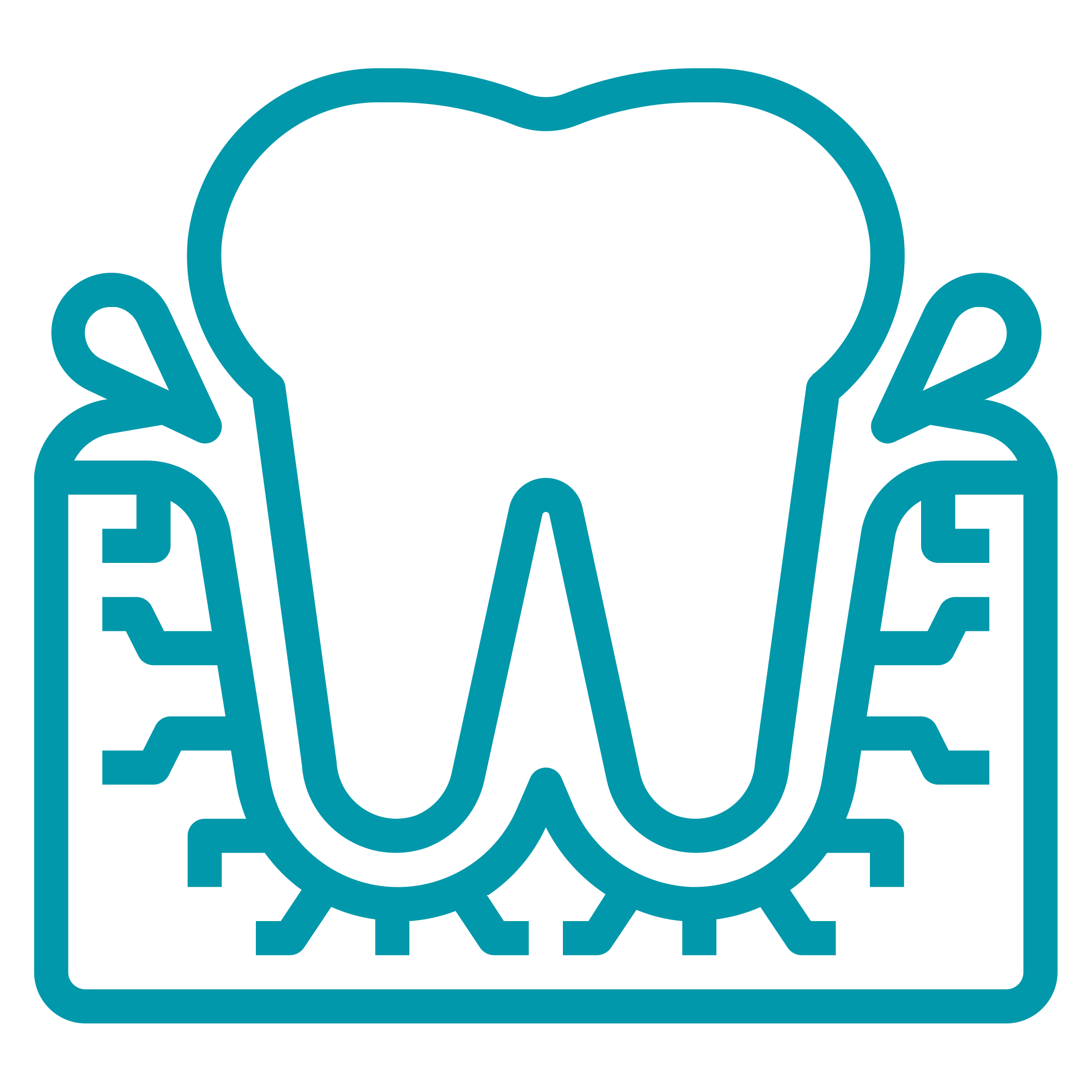
Healthy gums are the foundation of a healthy smile
Specialized treatment of gums and tooth-supporting tissues.
About This Treatment
Periodontics is the specialty dedicated to the diagnosis, prevention, and treatment of diseases affecting the gums and tooth-supporting tissues — including alveolar bone and periodontal ligament. Periodontal disease affects approximately 50% of the adult population and is the leading cause of tooth loss in adults. At our clinic, we offer a comprehensive approach ranging from gingivitis (initial and reversible inflammation) to advanced periodontitis. We use advanced diagnostic technology, including computerized periodontal probing, digital X-rays, and when indicated, treatments such as deep scaling, root planing, gum grafts, and bone regeneration procedures. Periodontal health is scientifically linked to systemic health — treating gum disease can reduce the risk of heart disease, help control diabetes, and improve overall quality of life.
We Understand Your Situation
Gums that bleed, persistent redness, bad breath that does not go away, or teeth that seem to be getting "longer" — these may be signs of periodontal disease, a silent condition that affects half of the adult population. Many people dismiss bleeding gums, thinking it is normal. It is not. If you notice any of these symptoms, or if you have diabetes or heart disease, your gum health deserves specialized attention — and the sooner, the better the results.
Modern Periodontal Treatment
01
Scaling and Root Planing (SRP)
Deep subgingival cleaning to remove tartar and bacteria from periodontal pockets.
- Removal of plaque and tartar
- Smoothing of root surfaces
- Reduces inflammation and pocket depth
02
GBT Periodontal Therapy
Minimally invasive protocol using AIRFLOW® and PERIOFLOW® technology for periodontal maintenance.
- Gentle biofilm removal in 4-9mm pockets
- No pain, with warm water
- Reduces need for surgery
03
Periodontal Surgery
Surgical procedures for advanced cases that don't respond to non-surgical therapy.
- Deep pocket reduction
- Guided bone regeneration
- Gingival grafts
Why Treat Periodontal Disease?
01
Prevents Tooth Loss
Periodontal disease is the leading cause of tooth loss in adults. Timely treatment preserves your natural teeth.
02
Protects Systemic Health
Periodontal treatment can reduce heart disease risk, help control diabetes, and improve overall health.
03
Stops Disease Progression
Early intervention prevents irreversible damage. Untreated periodontitis leads to permanent bone loss and gum recession.
Understanding Periodontal Disease
Periodontal disease progresses in stages. Early detection is key to successful treatment and preserving your teeth.
Stage 1
Gingivitis
Gum inflammation. Red, swollen gums that bleed when brushing. Fully reversible with proper treatment.
Reversible
Stage 2
Mild Periodontitis
Periodontal pockets 4-5mm deep. Beginning bone loss. Non-surgical treatment usually effective.
Stage 3
Moderate Periodontitis
Pockets 6-7mm deep. Significant bone loss. May need surgical treatment for regeneration.
Stage 4
Advanced Periodontitis
Pockets >7mm. Severe bone loss. Tooth mobility. Risk of tooth loss without immediate intervention.
Gingivitis is the only fully reversible stage. Don't ignore bleeding gums — it's a warning sign that shouldn't be dismissed. Schedule a periodontal evaluation today.
Warning Signs You Shouldn't Ignore
Periodontal disease is often called the "silent disease." Recognize these symptoms early.
If you recognize any of these symptoms, don't wait. Early detection is key to preventing irreversible damage.
Bleeding Gums
Bleeding when brushing, flossing, or even spontaneously
Red, Swollen Gums
Healthy gums are light pink and firm, not red and puffy
Persistent Bad Breath
Halitosis that doesn't improve with brushing or mouthwash
Receding Gums
Teeth look longer? Exposed roots? These are signs of recession.
Loose Teeth
Teeth that move or shift position indicate advanced bone loss
Sensitivity to Hot/Cold
Exposed roots due to gum recession cause sensitivity
Why Does Treatment Matter?
Untreated periodontal disease affects much more than your mouth. It's a chronic bacterial infection with serious consequences for oral and systemic health.
Early Stage (Gingivitis)
Gingivitis begins with inflamed, bleeding gums and persistent bad breath that make eating uncomfortable. The good news is that this stage remains fully reversible with proper professional treatment and improved oral hygiene.
Moderate Stage (Periodontitis)
As the disease progresses, deep periodontal pockets form and bone loss begins. Gum recession becomes irreversible, and teeth may start to feel slightly loose or unstable.
Advanced Stage
Without intervention, advanced periodontitis leads to the loss of multiple teeth and severe bone destruction. Patients often require implants or dentures, facing significant aesthetic and functional challenges.
Cardiovascular Risk
Research shows that periodontal disease increases the risk of heart disease by two to three times and raises stroke probability. Oral bacteria can enter the bloodstream, triggering chronic systemic inflammation throughout the body.
Diabetes Connection
Diabetes and periodontal disease share a bidirectional relationship, each worsening the other. Diabetics face three times the risk of developing periodontitis, while treating gum disease often improves blood sugar control.
Pregnancy Complications
Pregnant women with periodontal disease face up to seven times higher risk of preterm birth and low birth weight babies. Pregnancy gingivitis is common, but the reassuring news is that periodontal treatment is safe during pregnancy.
Modern Periodontal Treatments
First line of defense
Non-Surgical Treatments
Scaling and Root Planing
Deep cleaning below the gum line to remove plaque and tartar from roots
Antibiotic Therapy
Local or systemic antibiotics to control bacterial infection
Antimicrobial Irrigation
Flushing periodontal pockets with antibacterial solutions
GBT Therapy (AIRFLOW®/PERIOFLOW®)
Gentle biofilm removal in periodontal pockets with cutting-edge technology
For advanced cases
Surgical Treatments
Flap Surgery
Lifting the gum to clean deep pockets and reshape bone
Bone Grafting
Regenerating lost bone using graft material
Gum Grafting
Covering exposed roots to treat gum recession
Guided Tissue Regeneration
Special membranes to promote new bone and tissue growth
Advanced Technology for Periodontal Treatment
We invest in the most advanced technologies for precise diagnosis and effective treatment of periodontal disease.
Precise Diagnosis
Computerized system for measuring periodontal pockets with complete digital recording.
Advanced Ultrasonic Cleaning
High-frequency ultrasonic technology for efficient and comfortable deep cleaning.
Guided Biofilm Therapy
Swiss EMS technology for gentle and complete subgingival biofilm removal.
Bone and Tissue Regeneration
Latest generation materials for regenerating lost bone and tissues.
The Mouth-Body Connection
Periodontal disease doesn't just affect the mouth. It's scientifically linked to several serious systemic conditions.
Heart Disease
2-3xhigher risk
Oral bacteria can enter the bloodstream and contribute to atherosclerosis and endocarditis
Diabetes
Bidirectionalrelationship
Diabetes increases periodontitis risk; periodontitis makes blood sugar control harder
Pregnancy Complications
7xhigher risk
Associated with preterm birth and low birth weight
Alzheimer's
70%more likely
Studies show link between chronic periodontitis and cognitive decline
Respiratory Disease
Increased Riskof pneumonia
Periodontal bacteria can be aspirated and cause lung infections
Rheumatoid Arthritis
4xmore common
Similar inflammatory mechanisms link the two conditions
Caring for periodontal health is caring for your whole body. Prevention starts in the mouth.
What to Expect at Your Periodontal Consultation
The first periodontal consultation is a complete assessment of your gum health and tooth supporting structures.
01
Complete Anamnesis
Detailed medical and dental history, risk factors (tobacco, diabetes, genetics), current medications.
02
Periodontal Clinical Examination
Visual gum inspection, probing of all periodontal pockets, assessment of tooth mobility and gum recessions.
03
Periodontal X-rays
Complete radiographic series (periapical or panoramic) to assess bone loss and destruction pattern.
04
Diagnosis and Staging
Classification of periodontal disease (gingivitis, periodontitis stage I-IV), identification of modifiable risk factors.
05
Personalized Treatment Plan
Presentation of treatment plan, therapeutic options, number of sessions needed, prognosis and costs.
06
Scheduling and Start
Scheduling treatment sessions and immediate start of optimized oral hygiene instructions.
Is Periodontal Treatment Right for You?
Treatment Indications
- Gums that bleed when brushing or flossing
- Presence of periodontal pockets deeper than 4mm
- Gum recession with exposed roots
- Tooth mobility or shifting teeth
- Persistent bad breath of gum origin
- Diagnosis of gingivitis or periodontitis
- Family history of periodontal disease
- Smokers or ex-smokers (higher risk)
- Diabetics (3x higher risk of periodontitis)
- Pregnant women with pregnancy gingivitis
Higher Risk Groups
- Dental implant patients (peri-implantitis)
- Patients with heart disease or cardiovascular risk
- Type 1 or 2 diabetics (bidirectional relationship)
- Pregnant women or planning pregnancy
- Smokers (main modifiable risk factor)
- People over 50 (prevalence increases with age)
- Patients with extensive prosthetics or restorations
A Word from Our Clinical Director
“Periodontology treats gum disease that affects more than 50% of adults. At our clinic, we offer modern periodontal treatment with scaling and root planing, GBT therapy with AIRFLOW and PERIOFLOW, targeted antimicrobial protocols, and PRF regenerative therapy to accelerate bone and tissue healing after periodontal surgery. We treat gingivitis, periodontitis, and peri-implantitis with minimally invasive techniques. Periodontal health is linked to systemic health — periodontal disease increases the risk of heart disease, diabetes, and pregnancy complications. Protecting your gums is protecting your overall health.”

Dr. Carlos Sousa
Clinical Director
Book Today
Protect Your Gum Health
Don't wait until you have pain or lose teeth. A complete periodontal assessment can identify problems early and prevent irreversible consequences.
Prices, insurance and financing
A detailed quote for your case is given in writing after diagnosis. Our published price list, the insurers we work with and Cofidis Pay instalments are all on one page.
Frequently Asked Questions
Find answers to the most common questions about this treatment.
What is periodontal disease (gum disease)?
Periodontal disease is an infection of the tissues supporting the teeth - gums, periodontal ligament, and alveolar bone. It starts with bacterial plaque buildup that, if not removed, hardens into tartar. Bacteria cause inflammation (gingivitis) that can progress to periodontitis, destroying bone and potentially leading to tooth loss. It affects about 50% of adults over 30.
What are the symptoms of gum disease?
Symptoms include: red, swollen, or tender gums; bleeding when brushing or flossing; persistent bad breath (halitosis); gums pulling away from teeth (recession); teeth appearing longer; tooth sensitivity; loose or shifting teeth; change in bite; pus between teeth and gums. Important: periodontal disease can be silent in early stages, so regular check-ups are essential.
What is the difference between gingivitis and periodontitis?
Gingivitis is the initial and reversible stage of the disease - it only affects the gums, causing inflammation, redness, and bleeding. There is no bone loss. With proper treatment (professional cleaning and good hygiene), gums fully recover. Periodontitis is the advanced stage - the infection extends below the gum line, destroying bone and supporting tissues. It forms periodontal pockets (spaces between tooth and gum) that accumulate more bacteria. Bone damage is irreversible, but treatment can stabilize the disease.
What is scaling and root planing (deep cleaning)?
Scaling and root planing (SRP) is the standard non-surgical treatment for periodontal disease. Performed with local anesthesia, it consists of: scaling - removal of plaque and tartar above and below the gum line; root planing - smoothing root surfaces to remove bacterial toxins and allow the gum to reattach to the tooth. Usually done in 2-4 sessions, by quadrants. For early cases, it may be the only treatment needed.
Can periodontal disease be cured?
Gingivitis (early stage) can be completely cured with proper treatment. Periodontitis (advanced stage) cannot be cured but can be controlled and stabilized. Lost bone does not regenerate naturally, but treatment can: stop disease progression; reduce pocket depth; in some cases, regenerative techniques can recover some lost bone. Long-term success depends on rigorous maintenance - regular visits and impeccable oral hygiene.
How does PRF therapy help in periodontal treatment?
PRF (Platelet-Rich Fibrin) is a regenerative therapy that uses growth factors from your own blood to accelerate healing after periodontal surgery. It is particularly valuable in guided bone regeneration, gum grafting procedures, and surgical pocket reduction. The PRF membrane acts as a natural biological scaffold that promotes bone and soft tissue regeneration, reduces post-operative pain and swelling, and can improve treatment outcomes. Since PRF is 100% autologous (from your own body), there is no risk of allergic reactions or rejection.
What are the risk factors for periodontal disease?
Major risk factors include: smoking (the biggest modifiable risk factor); poorly controlled diabetes; genetics/family history; chronic stress; medications that reduce saliva; hormonal changes (pregnancy, menopause); poor oral hygiene; nutrient-poor diet; diseases affecting the immune system; teeth grinding (bruxism); crowded or misaligned teeth that make cleaning difficult.
Is there a connection between periodontal disease and other diseases?
Yes, studies show important associations. People with periodontal disease have 2-3 times higher risk of heart attack and stroke. Chronic gum inflammation can contribute to cardiovascular diseases. There is a bidirectional relationship with diabetes - each worsens the other. Other associations include: rheumatoid arthritis, Alzheimer's disease, pregnancy complications (premature birth, low birth weight), and respiratory diseases. Treating periodontal disease may improve control of other conditions.
What is gum recession and how is it treated?
Gum recession occurs when the gum pulls away from the teeth, exposing the root. Causes include: aggressive brushing, periodontal disease, bruxism, genetics, or orthodontics. Treatment depends on cause and severity: mild cases can be managed with changes in brushing technique and monitoring; moderate to severe cases may need gum graft (tissue transplant from palate) or pinhole technique (minimally invasive procedure without cuts). Gums do not naturally regrow once lost.
Is periodontal treatment painful?
With modern techniques and adequate anesthesia, periodontal treatment is generally well tolerated. Deep scaling is done with local anesthesia, so you feel no pain during the procedure. After treatment, there may be sensitivity in teeth and gums for a few days to a week. This sensitivity is normal and progressively decreases. We recommend analgesics if needed and warm salt water rinses. Minimally invasive techniques, like pinhole technique and GBT therapy, cause even less discomfort.
How often should I have periodontal maintenance?
Frequency depends on disease severity and response to treatment. Generally, patients with a history of periodontal disease need maintenance appointments every 3-4 months, instead of standard semi-annual cleanings. These appointments include: periodontal pocket measurement; removal of plaque and tartar above and below the gum; oral hygiene evaluation; treatment plan adjustments. Regular maintenance is essential to prevent disease reactivation.
Can gums bleed even if I brush my teeth well?
Healthy gums should not bleed. If they bleed when brushing, even with good technique, it may indicate: developing gingivitis or periodontitis; overly aggressive brushing technique; hard-bristled brush; incorrect flossing; hormonal changes (pregnancy, menstruation); certain medications (anticoagulants); nutritional deficiencies. Persistent bleeding should always be evaluated by a professional. Do not stop brushing or flossing because of bleeding - this worsens the situation.
What can I do at home to prevent periodontal disease?
Home prevention is essential: brush teeth 2 times a day with fluoride toothpaste, for 2 minutes, using gentle circular motions; use dental floss daily to clean between teeth; consider using interdental brushes; use an antibacterial mouthwash if recommended; do not smoke - it is the biggest modifiable risk factor; maintain a balanced diet rich in vitamins C and D; manage stress; if you grind your teeth, use a night guard; have regular check-ups (at least twice a year).
All Treatments
 Invisible Aligners
 Dental Sleep Medicine
 Orofacial Pain
 Painless GBT Dental CleaningOral Hygiene with Ozone TherapyIntegrative Dentistry
 Pediatric Dentistry
 Dental Implants
 Oral SurgeryPeriodonticsInvisalign
 Orthodontics
 Teeth Whitening
 Aesthetic Restoration
 Oral Rehabilitation
 Endodontics
 Restorative Dentistry
 Dental ConsultationFacial HarmonizationOzone TherapyPRF — Platelet-Rich FibrinSMART Protocol