
Sleep apnea treatment — sleep better, live better
Specialized treatment for sleep apnea and snoring with 93.5% proven effectiveness.
About This Treatment
Sleep apnea is a disorder where breathing is interrupted repeatedly during the night due to airway narrowing or blockage. These pauses, called apneas, can last from seconds to over a minute and repeat multiple times nightly, restricting oxygen flow to the lungs. Over 80% of cases remain undiagnosed. At our clinic, we use custom mandibular advancement devices (MAD) that gently reposition the jaw during sleep, keeping airways open for adequate airflow and restorative rest. This non-invasive and comfortable alternative to CPAP has a 98% tolerance rate and shows improvement in the apnea-hypopnea index in 93.5% of patients.
We Understand Your Situation
Waking up tired even after a full night's sleep, snoring loudly enough to disturb your bed partner, feeling drowsy during the day, or having morning headaches — these may be signs of sleep apnea, a condition that affects health and quality of life. If you have tried CPAP and could not adapt, or if you are looking for a more discreet and comfortable solution, mandibular advancement devices may be the answer to finally having truly restorative nights of sleep.
Sleep Apnea Solutions
01
Mandibular Advancement Device
Custom oral appliance that gently repositions the jaw during sleep, keeping airways open.
- 93.5% apnea index improvement
- 98% tolerance rate
- Digitally customized
02
Assessment and Diagnosis
Complete assessment in collaboration with sleep specialists to determine the best therapeutic approach.
- Multidisciplinary collaboration
- Sleep analysis
- Personalized plan
03
Adjustment and Follow-up
Progressive device adaptation with continuous follow-up to optimize results.
- Adaptation in 1-2 weeks
- Fine adjustments
- Efficacy monitoring
Why Choose Sleep Dentistry?
01
93.5% Effectiveness
Proven improvement of the apnea-hypopnea index in the vast majority of patients.
02
Superior Comfort
98% tolerance — much more comfortable and discreet than traditional CPAP.
03
Renewed Energy
Truly restorative sleep translates to more energy and better quality of life.
Technology: OrthoApnea NOA
OrthoApnea NOA is a unique mandibular advancement device, developed completely digitally and customized to fit each patient’s unique mandibular biomechanics. OrthoApnea NOA is specifically designed for more restful sleep, meeting the individual needs of each patient. The fully digital design, precise customization and comfortable fit make OrthoApnea NOA a solid choice in the management of obstructive sleep apnea. Rely on proven efficacy backed by clinical studies and give your patients the quality of life they deserve.
Video: orthoapnea.com
What to Expect at Your Sleep Apnea Consultation
A comprehensive sleep apnea evaluation to understand your sleep issues and create an effective sleep apnea treatment plan.
01
Sleep History Review
We review your sleep patterns, symptoms, medical history, and any previous sleep studies or treatments.
02
Clinical Examination
Physical assessment of your airways, jaw structure, teeth condition, and factors that may contribute to sleep apnea.
03
Sleep Study Coordination
If needed, we coordinate polysomnography or home sleep tests with specialized sleep medicine professionals.
04
Treatment Discussion
We explain our findings and discuss whether a mandibular advancement device is the right solution for your case.
Why Treating Sleep Apnea is Essential
Untreated sleep apnea is more than just snoring—sleep apnea has serious implications for your overall health and quality of life.
Cardiovascular Risk
Sleep apnea significantly increases the risk of hypertension, heart disease, stroke, and irregular heartbeat.
Cognitive Decline
Chronic oxygen deprivation during sleep can lead to memory problems, difficulty concentrating, and increased dementia risk.
Chronic Fatigue
Poor sleep quality leads to persistent daytime sleepiness, affecting work performance, driving safety, and relationships.
Metabolic Impact
Untreated sleep apnea is linked to diabetes, weight gain, and metabolic syndrome, creating a vicious cycle.
Mental Health
Sleep apnea is strongly associated with depression, anxiety, and mood disorders due to chronic sleep disruption and oxygen deprivation.
Accident Risk
Excessive daytime sleepiness increases the risk of motor vehicle accidents and workplace injuries by up to 2-3 times.
Sleep Apnea Device: OrthoApnea NOA
A latest-generation mandibular advancement device for sleep apnea, comfortable and effective. The ideal solution for sleep apnea treatment.


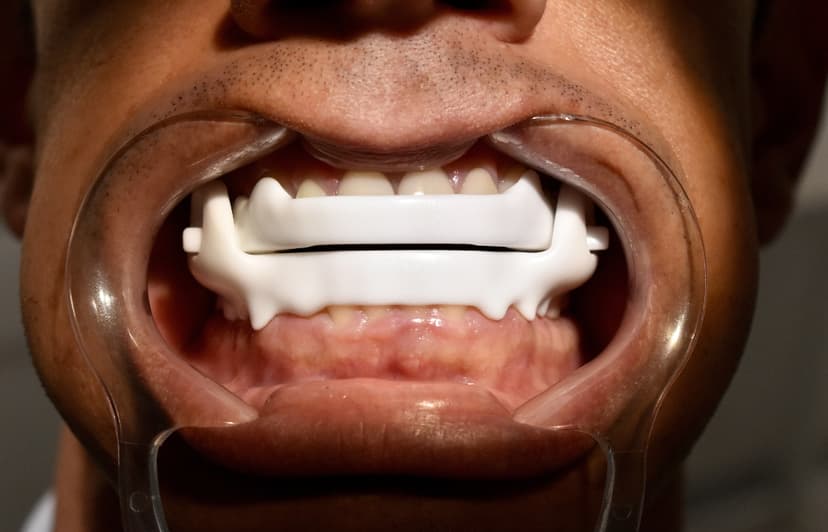
Image: orthoapnea.com
Do You Recognize These Sleep Apnea Symptoms?
Over 80% of sleep apnea cases remain undiagnosed. If you have sleep apnea, identify and treat these warning signs.
- Loud Snoring
- Daytime Fatigue
- Lack of Focus
- Morning Headaches
- Dry Mouth on Waking
- Mood Changes
- Excessive Sleepiness
- Breathing Pauses
Sleep Apnea Treatment Phases
Sleep apnea treatment follows a structured process to ensure effective results against sleep apnea.
01
Detection
Symptom evaluation by patient or family
02
Diagnosis
Sleep studies (polysomnography) by specialists
03
Treatment
Custom mandibular advancement device
04
Follow-up
Collaborative monitoring with sleep specialists
Why Treating Sleep Apnea is Essential
Untreated sleep apnea can have serious implications for your long-term health. Sleep apnea treatment prevents these complications.
Hypertension
Heart Problems
Diabetes
Metabolic Syndrome
Depression
Cognitive Impairment
Mandibular Device vs CPAP for Sleep Apnea
2024-2025 scientific studies on sleep apnea show equivalent health outcomes between both sleep apnea treatments.
| Feature | Mandibular Device | CPAP |
|---|---|---|
| Tolerance Rate | 98% of patients | ~50-60% long-term |
| Comfort | Discreet and silent | Mask with noise |
| Portability | Fits in hand, no electricity | Bulky equipment, requires power |
| Travel | Ideal — compact and practical | Challenging — extra baggage |
| AHI Reduction | Effective (mild-moderate) | Superior (all levels) |
| Blood Pressure | Equivalent reduction (CRESCENT trial) | Equivalent reduction |
| Severe Apnea | Can be combined with CPAP | First-line treatment |
What Studies Say
The CRESCENT trial (2024) on sleep apnea with 321 participants demonstrated that the mandibular device is non-inferior to CPAP in sleep apnea treatment. Greater adherence to sleep apnea devices offsets the efficacy difference.
Is Sleep Apnea Treatment Right For You?
Excellent Candidates for Sleep Apnea Treatment
- Mild to moderate obstructive sleep apnea
- Primary snoring
- Sleep apnea patients who don't tolerate CPAP
- Frequent travelers with sleep apnea
- Those who value discretion and comfort in sleep apnea treatment
- Sleep apnea patients with associated bruxism
- Those preferring non-invasive sleep apnea treatment
Sleep Apnea Cases to Evaluate
- Severe sleep apnea (may require CPAP or combination)
- Central sleep apnea
- Severe temporomandibular joint problems
- Few natural teeth or unstable dentures
- Morbid obesity (BMI > 40)
* These sleep apnea cases require individual evaluation. In many situations, the sleep apnea device can be used in combination with other therapies.
A Word from Our Clinical Director on Sleep Apnea
“Sleep apnea and snoring are more than nighttime disturbances — sleep apnea significantly impacts cardiovascular health, cognitive function, and quality of life. At our clinic, we offer mandibular advancement devices for sleep apnea as a proven, comfortable alternative to CPAP, with a 98% tolerance rate. Using 3D digital scanning technology, we create custom sleep apnea devices that keep airways open during sleep. Recent clinical studies show equivalent outcomes to CPAP for mild to moderate sleep apnea. If you notice loud snoring, breathing pauses, or persistent fatigue — common sleep apnea symptoms — I encourage you to schedule a consultation.”

Dr. Carlos Sousa
Clinical Director
Sleep Apnea Consultation
Recover Your Sleep Quality — Treat Sleep Apnea
We offer effective solutions to treat sleep apnea and stop snoring. Book a sleep apnea consultation and discover how we can help you sleep better and protect your cardiovascular health.
Prices, insurance and financing
Indicative reference price from our published list. A detailed quote for your case is given in writing after diagnosis, and the final price may depend on your insurer.
- Dental Sleep Medicine Consultation
- From65€
Frequently Asked Questions
Find answers to the most common questions about this treatment.
What is sleep apnea?
Sleep apnea is a disorder where breathing is interrupted repeatedly during the night due to airway narrowing or blockage. These pauses can last from seconds to over a minute and repeat multiple times nightly, restricting oxygen flow. Over 80% of sleep apnea cases remain undiagnosed.
What are the symptoms of sleep apnea?
Common sleep apnea symptoms include daytime drowsiness, concentration problems, morning headaches, loud snoring, dry mouth upon waking, constant fatigue, and mood disturbances. Many patients with sleep apnea experience these symptoms gradually without recognizing the underlying cause.
How does the mandibular advancement device work for sleep apnea?
In sleep apnea treatment, the mandibular advancement device gently repositions the jaw forward during sleep, keeping airways open for adequate airflow. It is the most comfortable solution for sleep apnea, easily adjustable, and non-invasive.
What is the difference between the mandibular device and CPAP for sleep apnea?
In sleep apnea treatment, CPAP uses a mask with pressurized air, while the mandibular device is a discreet, silent oral appliance. For mild to moderate sleep apnea, the mandibular device has a 98% tolerance rate, is easier to travel with, and requires no electricity.
What is the success rate of sleep apnea treatment?
93.5% of patients with sleep apnea show improvement in the apnea-hypopnea index with the mandibular advancement device. 98% of sleep apnea patients tolerate the device without issues, making it a highly effective sleep apnea treatment option.
What are the risks of untreated sleep apnea?
If untreated, sleep apnea can lead to serious complications including hypertension, cardiac problems, metabolic syndrome, diabetes, erectile dysfunction, depression, and cognitive impairment. Proper sleep apnea treatment can prevent these complications.
What is the sleep apnea treatment process?
Sleep apnea treatment follows 4 steps: 1) Detection - evaluation of sleep apnea symptoms, 2) Diagnosis - sleep studies (polysomnography), 3) Treatment - custom mandibular advancement device for sleep apnea, 4) Follow-up - collaborative monitoring between dentist and specialists.
How long does it take to adapt to the sleep apnea device?
Most patients with sleep apnea adapt to the device within 1-2 weeks. During this period, you may feel slight pressure that quickly diminishes. The sleep apnea device is adjustable to ensure maximum comfort.
Is a medical referral necessary to treat sleep apnea?
To treat sleep apnea, a referral is not strictly necessary, but we work in collaboration with sleep doctors and pulmonologists. If you already have a sleep apnea diagnosis, bring it to the consultation. Otherwise, we can guide the entire sleep apnea diagnostic process.
Does health insurance cover sleep apnea treatment?
Coverage varies by insurance plan. Many insurances cover part of sleep apnea treatment. Our team will help verify your sleep apnea coverage and prepare all necessary documentation for reimbursement.
What do studies say about mandibular devices for sleep apnea?
2024-2025 studies on sleep apnea confirm that mandibular devices have similar clinical outcomes to CPAP. The CRESCENT trial demonstrated that for sleep apnea, mandibular devices are non-inferior to CPAP in reducing blood pressure. Superior adherence to sleep apnea devices offsets the efficacy difference.
Is there a relationship between sleep apnea and bruxism?
Yes, polysomnographic studies reveal that about 50% of adults with obstructive sleep apnea also have sleep bruxism. Both conditions share risk factors such as stress, alcohol consumption, and obesity. The mandibular advancement device can help treat both sleep apnea and bruxism simultaneously.
How is the sleep apnea device made? Is it customized?
Yes, each sleep apnea device is fully customized. We use advanced digital technology: we perform a 3D intraoral scan of your mouth (no traditional impressions), the design is computer-aided, and the sleep apnea device is manufactured with 3D printing or CNC milling for maximum comfort.
Does the mandibular device work for all types of sleep apnea?
The mandibular advancement device is particularly effective for mild to moderate obstructive sleep apnea and snoring. In cases of severe sleep apnea, it can be used in combination with CPAP or as an alternative when the sleep apnea patient does not tolerate CPAP. Individual assessment will determine the best option.
Does the sleep apnea device have long-term side effects?
10+ year follow-up studies on sleep apnea show that minor dental changes may occur long-term, but these are subclinical and do not preclude use. We regularly monitor your dental health during sleep apnea treatment. Most consider these changes minimal compared to the benefits.
Can I use the sleep apnea device if I travel frequently?
This is one of the great advantages of the sleep apnea device! It is small, lightweight, silent, and requires no electricity — ideal for travel. Many sleep apnea patients who use CPAP at home opt for the mandibular device when traveling for convenience.
How long does the sleep apnea device last?
With proper care, a quality sleep apnea device typically lasts 3-5 years. Durability depends on factors such as bruxism, hygiene, and handling. We provide detailed sleep apnea device care instructions and perform regular checks.
All Treatments
 Invisible AlignersDental Sleep Medicine
 Orofacial Pain
 Painless GBT Dental CleaningOral Hygiene with Ozone TherapyIntegrative Dentistry
 Pediatric Dentistry
 Dental Implants
 Oral Surgery
 PeriodonticsInvisalign
 Orthodontics
 Teeth Whitening
 Aesthetic Restoration
 Oral Rehabilitation
 Endodontics
 Restorative Dentistry
 Dental ConsultationFacial HarmonizationOzone TherapyPRF — Platelet-Rich FibrinSMART Protocol