
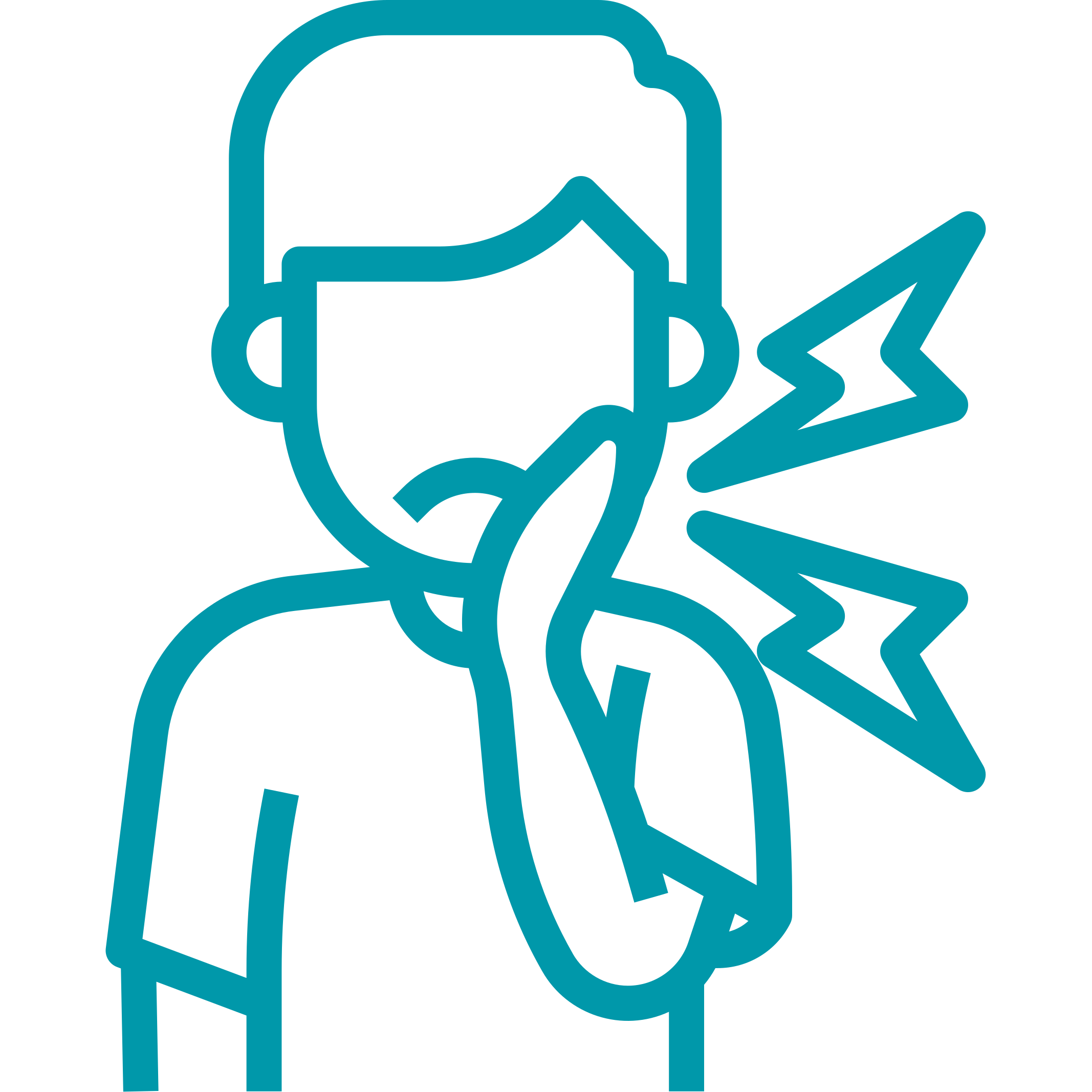
Orofacial pain treatment — feel more comfortable every day
Specialized treatment for TMD, bruxism, and jaw pain.
About This Treatment
Orofacial pain affects approximately 15% of the adult population and encompasses painful conditions affecting the face, jaw, and temporomandibular joint (TMJ). We treat temporomandibular disorders (TMD), bruxism (teeth grinding and clenching), dental-origin headaches, associated tinnitus, and myofascial pain. Our approach is conservative and evidence-based, using internationally validated diagnostic criteria (DC/TMD). Personalized treatment may include custom-made occlusal splints, specialized physiotherapy, relaxation techniques and stress management, jaw exercises, and medication when necessary. The good news is that up to 40% of patients improve without intervention, and the vast majority respond very well to conservative treatment. The sooner you start treatment, the better the results.
We Understand Your Situation
Frequent headaches, jaw tension upon waking, clicking when opening your mouth, or difficulty chewing — these symptoms can significantly affect your quality of life. Many people suffer for years without knowing that effective treatment exists. If you wake up with a sore jaw, grind your teeth at night, or experience facial pain that doctors cannot explain, the orofacial pain specialty can finally give you answers and relief.
Orofacial Pain Treatments
01
Custom Occlusal Splints
Custom-made devices that protect teeth from wear and relax jaw muscles during the night.
- Muscle tension relief
- Protection against tooth wear
- Comfortable during sleep
02
Specialized Physiotherapy
Exercises and manual techniques that improve joint function and progressively reduce pain.
- Jaw exercises
- Relaxation techniques
- Postural correction
03
Stress Management
Self-care and emotional management techniques that help reduce bruxism and muscle tension.
- Trigger identification
- Relaxation techniques
- Behavioral changes
Why Treat Orofacial Pain?
01
Specialized Diagnosis
We use internationally validated DC/TMD criteria for accurate diagnosis.
02
Conservative Treatment
Non-invasive approach with up to 40% improvement even without intervention.
03
Quality of Life
Pain relief, improved sleep, and restoration of daily comfort.
What to Expect at Your Consultation
A comprehensive evaluation to understand your condition and create an effective treatment plan.
01
Detailed Medical History
We review your symptoms, medical history, lifestyle factors, and any previous treatments.
02
Clinical Examination
Physical assessment of jaw movement, muscle palpation, joint sounds, and bite analysis.
03
Diagnostic Imaging
When needed, X-rays or 3D imaging to visualize joint structure and rule out other conditions.
04
Treatment Plan Discussion
We explain our findings and discuss conservative treatment options tailored to your needs.
Specialized Orofacial Pain Treatment
Orofacial pain affects approximately 15% of the adult population. Our multidisciplinary approach offers effective solutions for various conditions.
Temporomandibular Disorder (TMD)
Pain and dysfunction in the jaw joint that can cause difficulty opening the mouth, clicking, and movement limitations.
Bruxism
Involuntary grinding or clenching of teeth, especially during sleep, causing tooth wear and muscle pain.
Dental-Origin Headaches
Tension headaches related to jaw muscle tension, often confused with migraines.
Tinnitus
Ringing in the ears that may be associated with temporomandibular joint problems.
Jaw Locking
Temporary inability to fully open or close the mouth due to joint problems.
Myofascial Pain
Pain in facial and jaw muscles, often with trigger points that radiate to other areas.
When Should You Seek Help?
If you regularly experience any of these symptoms, do not ignore them. Early diagnosis allows for more effective and less invasive treatments.
Pain in the jaw, face, or around the ear
Difficulty or pain when chewing
Clicking or crackling when opening the mouth
Locked jaw (open or closed)
Frequent headaches, especially in the morning
Worn or sensitive teeth
Facial tension upon waking
Ringing or pain in the ear
Did You Know?
Up to 40% of patients with TMD improve without intervention, but most respond very well to conservative treatment.
The sooner you start treatment, the better the results!
Orofacial Pain: Our Treatment Approach
Orofacial Pain — We use a conservative, evidence-based approach, avoiding irreversible treatments whenever possible.
01
Complete Assessment
Detailed medical history and physical examination of jaw, muscles, and joint.
02
Accurate Diagnosis
We use internationally validated diagnostic criteria (DC/TMD).
03
Personalized Plan
Treatment adapted to your needs: splints, physiotherapy, relaxation techniques.
04
Follow-up
Regular progress monitoring and treatment adjustments as needed.
What You Can Do at Home
These self-care strategies can help relieve symptoms and complement professional treatment.
Heat or Ice
Apply heat to relax tense muscles or ice to reduce acute inflammation. 15-20 minutes, several times a day.
Soft Diet
Avoid hard, crunchy foods or those requiring prolonged chewing. Cut food into small pieces.
Jaw Relaxation
Keep lips together but teeth slightly apart. Rest position: "lips together, teeth apart".
Gentle Exercises
Practice controlled mouth opening exercises and gentle lateral movements, as professionally guided.
Sleep Hygiene
Sleep on your side or back, never on your stomach. Use a pillow that supports your neck well.
Stress Management
Stress is one of the main causes. Practice relaxation techniques, meditation, or regular physical activity.
Important
These tips complement but do not replace professional treatment. If symptoms persist or worsen, consult a specialist. Avoid treatments that cause permanent changes to teeth or bite without a complete evaluation.
Why Is Treatment Important?
Untreated orofacial pain can significantly impact your daily life and lead to complications.
Progressive Tooth Damage
Bruxism can cause irreversible wear, fractures, and sensitivity, requiring costly restorations.
Chronic Pain Development
Untreated TMD can become chronic, making it harder to treat and affecting daily activities.
Sleep Quality Decline
Night grinding disrupts deep sleep, leading to fatigue, irritability, and reduced concentration.
Quality of Life Impact
Constant pain affects eating, speaking, work performance, and social interactions.
Headache Escalation
TMJ dysfunction often triggers tension headaches and migraines that become more frequent and severe over time.
Joint Deterioration
Without treatment, the temporomandibular joint can develop arthritis and structural damage, limiting jaw function.
A Word from Our Clinical Director
“Orofacial pain and temporomandibular dysfunction (TMD) affect approximately 15% of adults. At our Dental Clinic, we use internationally validated diagnostic criteria (DC/TMD) to identify the cause of your pain — whether bruxism, TMJ joint problems, dental-origin headaches, or facial muscle pain. Conservative treatment includes custom occlusal splints, physiotherapy, relaxation techniques, and self-care education. We avoid irreversible procedures whenever possible. Most patients respond very well to conservative treatment, recovering their quality of life.”
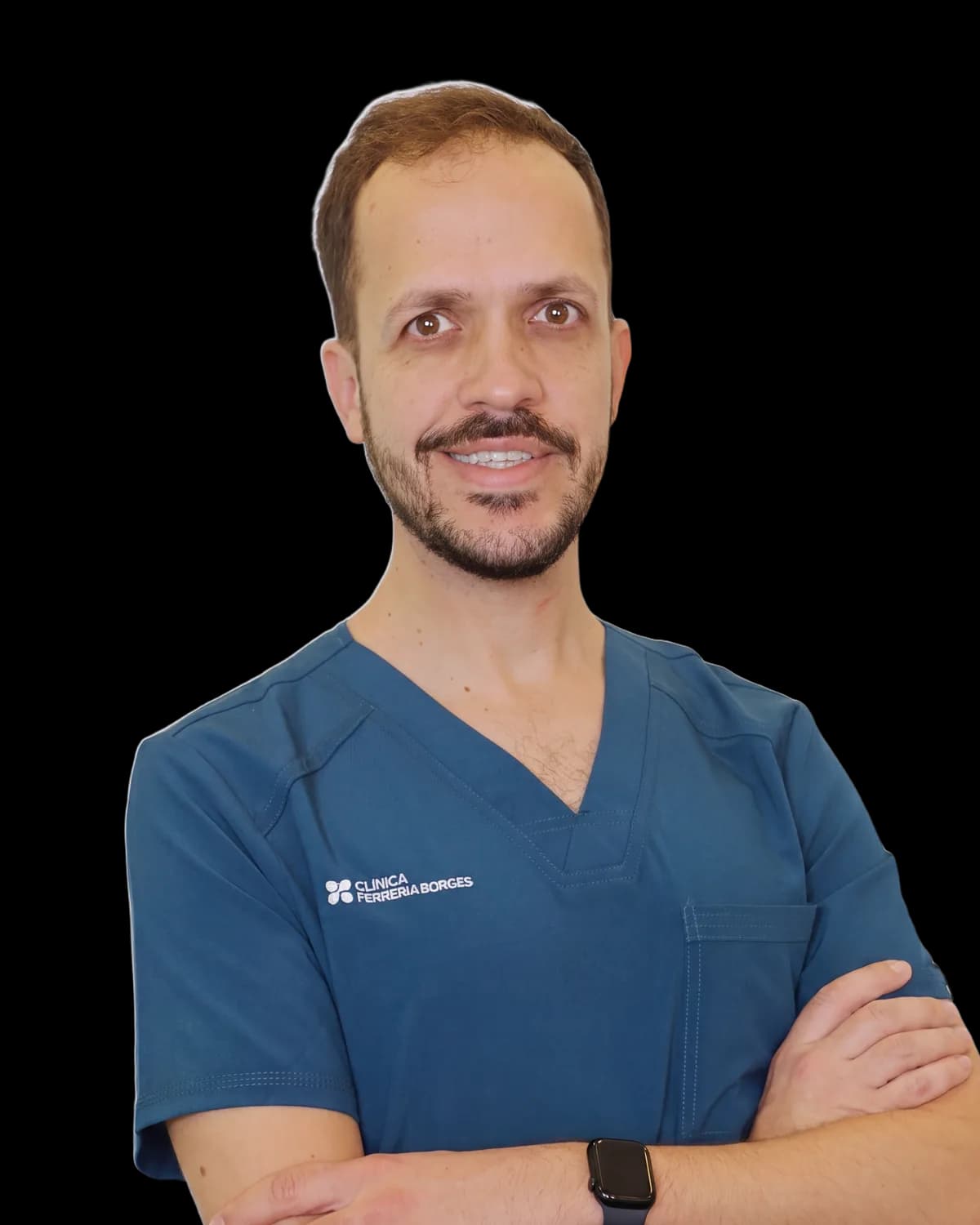
Dr. Carlos Sousa
Clinical Director
Orofacial Pain Consultation
Orofacial Pain: Find Relief Today
Orofacial Pain — Don't let TMJ pain, bruxism, or facial discomfort control your life. Schedule a specialized consultation for orofacial pain treatment and discover effective solutions to relieve your symptoms and restore your quality of life.
Prices, insurance and financing
Indicative reference price from our published list. A detailed quote for your case is given in writing after diagnosis, and the final price may depend on your insurer.
- Orofacial Pain Consultation
- From65€
Frequently Asked Questions
Find answers to the most common questions about this treatment.
What is orofacial pain?
Orofacial pain encompasses painful conditions affecting the face, jaw, temporomandibular joint (TMJ), and associated structures. It includes temporomandibular disorders (TMD), bruxism, dental-origin headaches, and facial pain from various causes. It affects approximately 15% of the adult population.
What is Temporomandibular Disorder (TMD)?
TMD refers to a group of more than 30 conditions that cause pain and dysfunction in the jaw joint and muscles controlling jaw movement. It is the most common cause of non-dental orofacial pain and can significantly affect quality of life, making activities like eating, speaking, or yawning difficult.
What are the most common symptoms of TMD?
The most common symptoms include: jaw or facial pain, pain when chewing, clicking or crackling when opening the mouth, difficulty or limitation when opening the mouth, headaches (especially in the morning), earache, tinnitus, and a feeling of a locked jaw. Many patients also suffer from bruxism (grinding or clenching teeth).
What is bruxism?
Bruxism is the involuntary habit of grinding or clenching teeth, which can occur during sleep (sleep bruxism) or while awake (awake bruxism). It is often associated with stress and can cause tooth wear, jaw pain, headaches, and damage to the temporomandibular joint if left untreated.
What are the causes of orofacial pain?
The causes are multifactorial and include: emotional stress (one of the main causes), parafunctional habits like clenching or grinding teeth, poor posture, jaw trauma, dental malocclusion, TMJ arthritis, and genetic factors. Stress is particularly important as it increases muscle tension and can trigger or worsen symptoms.
How is the diagnosis made?
The diagnosis is based on a complete clinical evaluation that includes: detailed medical history, physical examination of the jaw and facial muscles, range of motion assessment, dental occlusion analysis, and when necessary, imaging exams such as X-rays or CT scans. We use internationally validated diagnostic criteria to ensure accurate diagnosis.
What is the treatment for orofacial pain and TMD?
Treatment is personalized and usually conservative, which may include: occlusal splints (bite plates), specialized physiotherapy, medication when necessary (anti-inflammatories, muscle relaxants), relaxation techniques and stress management, jaw exercises, and behavioral modifications. Our multidisciplinary approach ensures the best results.
What is an occlusal splint and how does it work?
An occlusal splint is a custom-made removable device that fits over the teeth. It works as a protective barrier that: distributes bite forces evenly, protects teeth from wear caused by bruxism, relaxes jaw muscles, and can help reposition the jaw to a more comfortable position.
Can orofacial pain be cured?
The good news is that up to 40% of patients improve without intervention, and most respond very well to conservative treatment. Many patients become symptom-free within weeks to months. Some cases may require ongoing or periodic treatment, especially when related to stress or habits that are difficult to modify.
What can I do at home to relieve symptoms?
There are several effective self-care strategies: apply heat or ice to the affected area, eat a soft diet avoiding hard foods or chewing gum, practice jaw relaxation exercises, maintain good posture (especially when using a computer), avoid opening the mouth excessively, manage stress through relaxation techniques, and maintain good sleep habits.
When should I seek professional help?
You should seek help if: the pain has persisted for more than a week, you have difficulty opening or closing your mouth, your jaw gets locked, you feel intense or worsening pain, you notice significant tooth wear, headaches are frequent, or symptoms affect your quality of life. The sooner you start treatment, the better the results.
Can stress cause orofacial pain?
Yes, stress is one of the main causes of orofacial pain. When we are under stress, we tend to clench our teeth (often without realizing it), which increases tension in the jaw muscles. Stress management is a fundamental part of treatment. Techniques such as meditation, breathing exercises, and regular physical activity can help significantly.
All Treatments
 Invisible Aligners
 Dental Sleep MedicineOrofacial Pain
 Painless GBT Dental CleaningOral Hygiene with Ozone TherapyIntegrative Dentistry
 Pediatric Dentistry
 Dental Implants
 Oral Surgery
 PeriodonticsInvisalign
 Orthodontics
 Teeth Whitening
 Aesthetic Restoration
 Oral Rehabilitation
 Endodontics
 Restorative Dentistry
 Dental ConsultationFacial HarmonizationOzone TherapyPRF — Platelet-Rich FibrinSMART Protocol