
Orthodontics — straighter teeth and renewed confidence
Correction of dental and jaw positioning.
About This Treatment
Orthodontics is the specialty that corrects the positioning of teeth and jaws. We offer various treatment options, from traditional fixed braces to more discreet solutions like lingual braces and clear aligners. The goal is to achieve a functional bite and harmonious smile, improving both aesthetics and long-term oral health.
We Understand Your Situation
Crooked, crowded teeth or a misaligned bite can affect much more than appearance — they can make oral hygiene difficult, cause uneven tooth wear, and even contribute to jaw joint problems. If you have always wanted a more aligned smile but hesitated due to treatment duration or the appearance of braces, know that modern orthodontics offers solutions for all ages and lifestyles, including discreet options that almost no one will notice.
Orthodontic Treatment Options
01
Metal Braces
Latest generation metal brackets, effective for complex cases.
- Highly effective
- Predictable treatment
- Affordable cost
02
Clear Aligners
Transparent, removable aligners for discreet correction.
- Virtually invisible
- Removable
- Comfortable
03
Lingual Braces
Brackets placed on the inner surface of teeth, completely invisible.
- 100% invisible
- Effective
- Maximum aesthetics
04
Ceramic Braces
Tooth-colored brackets for a more discreet treatment.
- Discreet
- Effective
- Enhanced aesthetics
Why Choose Our Orthodontics?
01
Harmonious Smile
Correct tooth positioning for a more aesthetic smile and a balanced, functional bite.
02
Multiple Options
From traditional braces to invisible aligners, we offer the solution best suited to your lifestyle.
03
Long-Term Health
Aligned teeth make oral hygiene easier and prevent wear, joint problems, and gum disease.
What to Expect at Your Consultation
A comprehensive evaluation to determine the best orthodontic treatment option.
01
Clinical Examination
Assessment of tooth position, bite, and facial structure.
02
3D Digital Records
Intraoral scanner to create precise digital models.
03
Photos and X-rays
Complete documentation for detailed planning.
04
Personalized Plan
Presentation of options, duration, and investment.
Why Does Orthodontics Matter?
Malocclusion goes beyond aesthetics. Orthodontics corrects these issues, improving oral health and quality of life.
TMJ Problems
Misalignment can overload the temporomandibular joint, causing pain, clicking, and headaches.
Tooth Wear
Mispositioned teeth wear unevenly, increasing the risk of fractures and sensitivity.
Hygiene Difficulties
Crowded teeth make brushing and flossing difficult, increasing the risk of cavities and gum disease.
Impact on Confidence
A misaligned smile can affect self-esteem and how you present yourself socially and professionally.
Speech Difficulties
Severe malocclusion can affect pronunciation and speech clarity, impacting communication.
Digestive Issues
Poor chewing due to misaligned teeth can lead to digestive problems as food is not properly broken down.
Treatment Phases
A structured process to achieve your ideal smile.
01
Initial Assessment
Exams, photos, 3D scanning, and treatment planning.
1 appointment
02
Appliance Placement
Installation of braces or delivery of aligners.
1-2 hours
03
Monthly Adjustments
Regular activations to gradually move teeth.
12-24 months
04
Retention
Retention appliances to maintain results.
Permanent
Malocclusion and Dental Problems
Malocclusion affects approximately 56% of the world population. With fixed braces, we correct a wide variety of alignment problems.
Dental Crowding
Crooked, overlapping, or misaligned teeth due to lack of space in the dental arch.
Spacing (Diastema)
Excessive gaps between teeth, including the diastema between upper central incisors.
Overbite
Upper teeth excessively cover lower teeth when closing the mouth.
Crossbite
Upper teeth bite inside lower teeth, which can affect front or back teeth.
Open Bite
Upper and lower teeth don't touch when the mouth is closed, making chewing difficult.
Prognathism / Retrognathism
Jaw excessively projected forward or set back relative to the upper jaw.
Is Orthodontic Treatment Right for You?
This is for you if…
- Have crooked or misaligned teeth
- Have gaps between teeth
- Have bite problems
- Good oral health (no cavities or active gum disease)
- Looking to improve smile aesthetics and function
May require prior care if...
- You have untreated active cavities
- You have severe periodontal disease
- You have poor oral hygiene
A Word from Our Clinical Director
“Modern orthodontics offers solutions for all ages, from children to adults. At our Dental Clinic, we use 3D intraoral scanners for precise digital planning and offer various treatment options: effective metal braces for complex cases, aesthetic ceramic braces for greater discretion, 100% invisible lingual braces, and clear aligners. Correcting alignment problems such as dental crowding, diastemas, overbite, and crossbite improves not only smile aesthetics but also chewing function and temporomandibular joint health.”
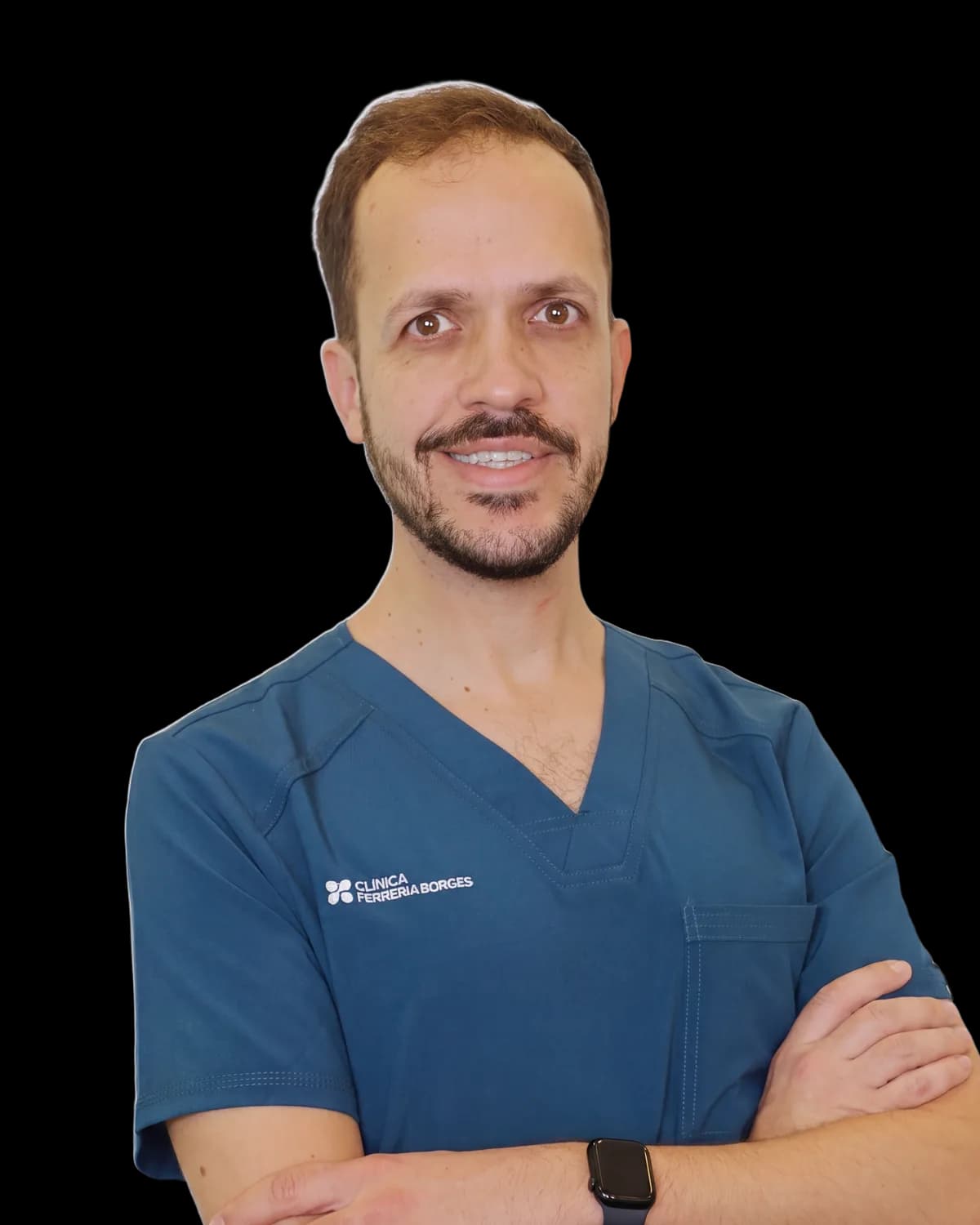
Dr. Carlos Sousa
Clinical Director
Orthodontic Consultation
Ready to Start Your Orthodontics Treatment?
Book your Orthodontics consultation and discover the best solution to align your smile.
Prices, insurance and financing
A detailed quote for your case is given in writing after diagnosis. Our published price list, the insurers we work with and Cofidis Pay instalments are all on one page.
Frequently Asked Questions
Find answers to the most common questions about this treatment.
What is orthodontics and when is it necessary?
Orthodontics is the specialty that corrects the positioning of teeth and jaws. It is necessary when there is dental crowding, spacing, crossbite, overbite, open bite, or alignment problems affecting aesthetics, chewing function, or oral health. Malocclusion affects approximately 56% of the world population.
What types of fixed braces are available?
We offer traditional metal braces (most effective and economical), ceramic/aesthetic braces (more discreet, tooth-colored), self-ligating braces (without elastics, more comfortable and hygienic), and lingual braces (placed on the inner surface of teeth, completely invisible). The orthodontist will recommend the best option for your case.
How long does orthodontic treatment take?
Fixed braces treatment usually takes between 18 months to 3 years, depending on case complexity. Simple cases may take 12-18 months, while more complex cases may need longer. Following the orthodontist's recommendations and attending adjustment appointments significantly influences duration.
Do braces hurt?
Placing braces is not painful. In the first few days after placement and after each adjustment, it's normal to feel some discomfort or tooth sensitivity, which usually lasts 2-5 days. This discomfort is a sign that teeth are moving. Common painkillers and a soft diet in the first few days help relieve discomfort.
How often do I need adjustment appointments?
Adjustment appointments are usually every 4-6 weeks at the beginning of treatment, when teeth move faster. In the middle phase, adjustments may be spaced to every 6-8 weeks. It's important not to miss appointments, as each missed appointment can extend treatment by approximately one month.
What foods should I avoid with braces?
You should avoid: hard foods (ice, whole nuts, whole apples), sticky foods (gum, caramels, toffee), foods requiring hard biting (raw carrots, corn on the cob). Cut food into small pieces before eating. Also avoid sugary and acidic drinks that can damage enamel around brackets.
How should I care for oral hygiene with braces?
Brush teeth after every meal (at least 3x/day) for 2 minutes, using a soft brush. Brush above and below brackets, angling the brush to clean under the wire. Use interdental brushes to clean between brackets and floss with a threader. An oral irrigator (water jet) is an excellent complement. Visit the dentist every 6 months for professional cleaning.
What happens if a bracket comes loose?
If a bracket comes loose, contact the clinic as soon as possible to reschedule. While waiting, leave the bracket in place if still attached to the wire. If loose, keep it and bring it to your appointment. Each broken bracket can extend treatment by about a month, so avoid foods that may damage the braces.
Can adults wear orthodontic braces?
Absolutely! There is no age limit for orthodontic treatment. More and more adults seek orthodontics, whether for aesthetic or functional reasons. Ceramic braces, lingual braces, or clear aligners are popular options for those who prefer more discretion. Treatment in adults may take a bit longer, but results are equally excellent.
What is retention and why is it important?
After braces removal, it's essential to wear retainers to keep teeth in their new position. Without retention, teeth tend to return to their original position. There are fixed retainers (wire bonded to the inner surface of teeth) and removable ones. Initially worn full-time, then only at night. Retention is for life!
What problems can orthodontics correct?
Orthodontics corrects: crowding (crooked or overlapping teeth), spacing (gaps), overbite (upper teeth cover lower teeth too much), crossbite (upper teeth bite inside lower teeth), open bite (teeth don't touch when biting), prognathism (protruding jaw), and jaw alignment problems.
Is orthodontics just cosmetic or does it have health benefits?
Orthodontics goes far beyond aesthetics. Aligned teeth are easier to clean, reducing the risk of cavities and gum disease. A correct bite distributes chewing forces better, preventing excessive wear and temporomandibular joint (TMJ) problems. Additionally, it can improve breathing, speech, and self-esteem.
All Treatments
 Invisible Aligners
 Dental Sleep Medicine
 Orofacial Pain
 Painless GBT Dental CleaningOral Hygiene with Ozone TherapyIntegrative Dentistry
 Pediatric Dentistry
 Dental Implants
 Oral Surgery
 PeriodonticsInvisalignOrthodontics
 Teeth Whitening
 Aesthetic Restoration
 Oral Rehabilitation
 Endodontics
 Restorative Dentistry
 Dental ConsultationFacial HarmonizationOzone TherapyPRF — Platelet-Rich FibrinSMART Protocol